
Understanding the Differences: Astrologer, Psychic, and Tarot Reader
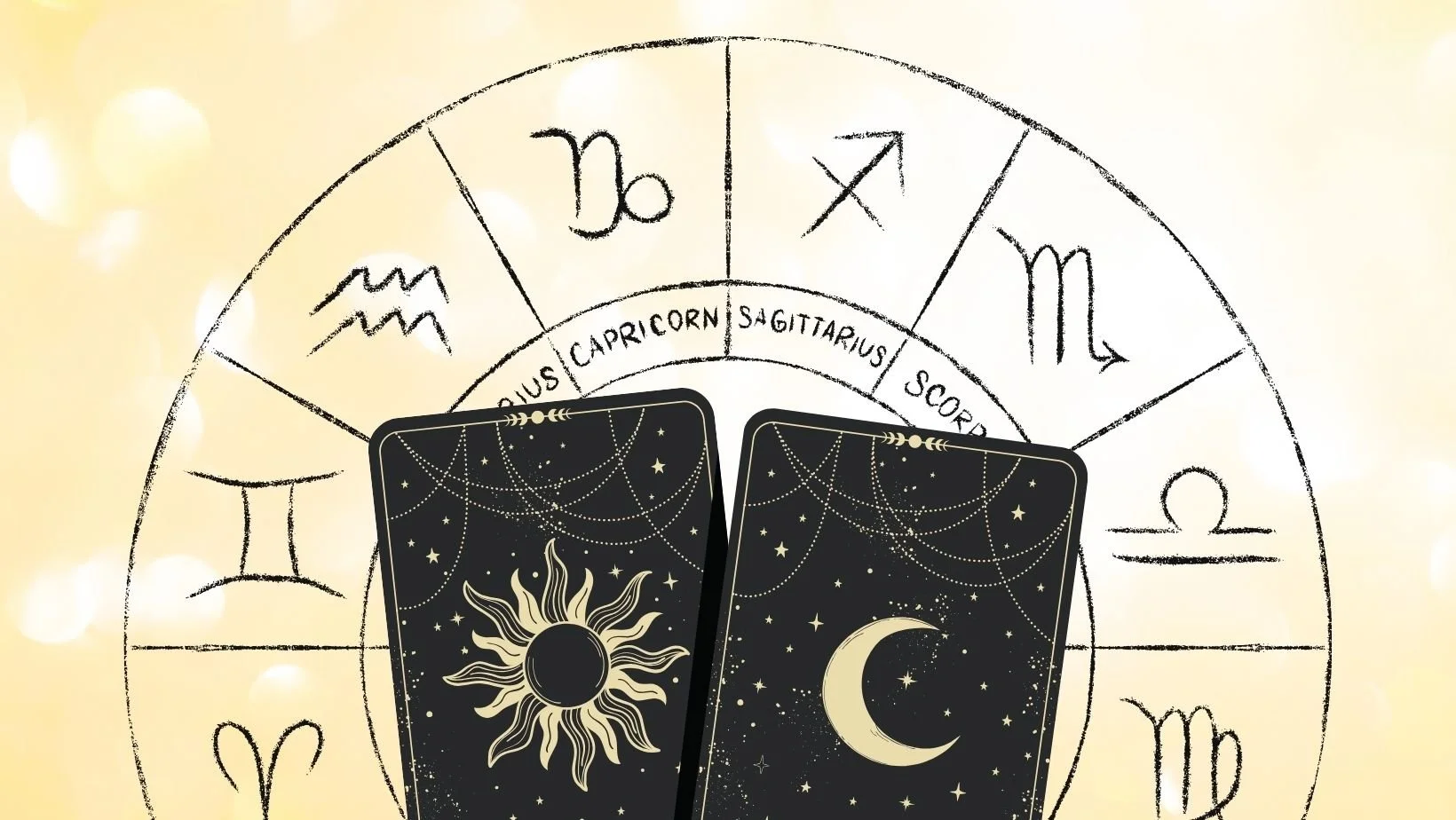
When you’re looking for the answers to life’s deepest questions, you may typically think of a few professions that could offer seemingly cosmic solutions. Psychics, tarot readers and astrologers all offer services catered toward helping people find clarity, direction and easing anxieties around timelines of life events.
Even though these professions all rely on a more mystical source of guidance, they can often be confused with each other. If you’re looking to book a session with a psychic, astrologer or tarot reader, this article will help you understand who could be the best fit for you.
What is an Astrologer?
An astrologer is someone who uses the system and structure of planetary alignments to explain the potentials of human behaviors and circumstances or events that are experienced. Using the system of astrology, an astrologer will be able to connect certain planets as representations of themes of life, which form a unique pattern at the time of one’s birth. The birth chart then becomes a map of potential energetical and personality development over the course of life.
What type of advice can an astrologer offer?
An astrologer will be able to offer interpretations of zodiac signs in a person’s chart to illuminate energies that are being activated by the current day’s energetic alignment in the sky.
Common inquiries being asked in astrology readings include: life purpose, love life/ relationship alignment, career choices and family dynamics. These interpretations should be informative on a spectrum of potential, helping the person learn about how they can align their energies to be able to receive the best possible outcomes.
An astrologer will not be able to directly predict an outcome or an event. It is not a tool of divination, but rather, a system that offers insights into potential date ranges and experiences one may have.
Every astrologer will be unique in their interpretations, so be sure to look for someone who is more attuned to ethical practices to ensure you are not being advised by someone who seeks to manipulate instead of kindly assist.
Someone who has a psychological astrology perspective will usually be more therapeutic and offer more healing guidance than those who have a more deterministic and negative perspective.
Tools used by an Astrologer
Astrologers use astrology birth charts (natal charts that are a map of the stars and planets in the sky at the moment of birth). The birth chart includes a system of birth chart houses, planets, and 12 zodiac signs, to create a formula of interpretation that depicts the potential life path for an individual.
Planetary Transits: Current positions of planets are also considered, and compared to the person’s natal chart, to determine how they might be affected energetically, now and in the future.
What is a Psychic?
Unlike an astrologer, who uses a system and planetary map for interpretation, a psychic is someone claiming to have the gift of extrasensory perception (ESP) which is how they identify information not readily available to most people.
A person may want to ask a psychic about outcomes that may occur in their life, or even about their past lives. Since there is no physical system to a psychic’s abilities, someone seeking guidance from a psychic will need to put trust and faith in the unknown. It is up to the participant to determine the alignment of the information that is offered.
What type of advice can a Psychic offer?
Due to their claims of having ESP, a psychic typically offers more direct answers to questions someone poses. This could be questions about a person, object, location or event that a participant wants clarity on. People looking to connect with a Psychic usually expect a definitive answer and believe the information that is shared as absolute.
Tools used by a Psychic
There are a variety of types of psychics and the extrasensory perceptions that they connect with most. Some have psychic abilities like clairvoyance (the ability to gain information about a person, object, location or event, through “clear seeing” images and visions), or clairaudience (the ability to gain information about a person, object, location or event, through “clear hearing” messages and instructions.)
There are also Psychics that prefer the term “Medium” which refers more specifically to someone with an extrasensory ability to communicate with spirits that are deceased. If someone is looking for closure, or insights about a person who is no longer in their lives, they may prefer to connect with a trusted and reputable medium who can offer solace.
What is a Tarot Reader?
A tarot reader offers a unique way of offering insights and guidance. Through the use of cartomancy, where the tarot reader interprets the symbolic imagery on a deck of cards to share insights, a person connects to a mystical way of receiving answers through synchronicity.
The uniqueness of tarot reading lies in the surprise of not knowing what cards will be chosen. These choices combined together form a unique intuitive message through the symbolism presented in the cards.
What advice can a tarot reader offer?
A tarot reader, much like a psychic, can offer conclusionary information to questions about a person’s life direction, choices and how events may transpire. Unlike a psychic, a tarot reader is relying on the interaction of the physical deck of cards to provide the source of where information is coming from.
Like an astrologer, a tarot reader relies on understanding the representations of symbols. Unlike an astrologer, a tarot reader is presenting information that is related more to the current state of energy of a person.
Due to the system of astrology being a continuous forecast of how planets will align, a person can work with an astrologer to gain insights for the long-term as it applies to their life path on a larger scale.
Tools Used by a Tarot Reader
A Tarot Reader uses a tarot deck of their choosing, and sometimes other decks as well, to provide their client answers. The tarot deck consists of 78 cards, divided into the Major Arcana and Minor Arcana, each with their own symbolism and meaning.
Spreads: Depending on the types of questions being asked, Tarot readers use various card layouts, known as spreads, to address specific queries or to conduct general readings. The more complex the questions, the more cards used in the spread. Tarot Readers generally price their readings according to the depth a person would like to receive as it relates to their inquiry.
Final Thoughts
While astrologers, psychics, and tarot readers may all offer guidance and insight, they each have their distinct methodologies and philosophies. Astrologers look to the stars, psychics tap into extrasensory perceptions, and tarot readers draw on the symbolism of cards. Regardless of the method, each practitioner offers a unique perspective that can provide individuals with clarity and direction in their lives.

If you really love this holistic astrology perspective, check out the latest updates on the NOONLIT SAGE Blog. Let me know what you're curious to know more about your zodiac signs, how to use astrology and apply it to your daily life and your healing journey.
*This article has been written by Monica of NOONLIT SAGE. She has a Masters of Social Work, Masters of Child Development and Bachelors of Psychology. Once her passion for Astrology ignited in 2019, she began to host a monthly therapeutic Astrology Manifesting New Moon Circle in Phoenix, Arizona, and has done hundreds of birth chart readings. She continued her studies and completed an Astro-Herbalism Certification via the School of Evolutionary Herbalism to provide even more holistic wellness insights into those whom she meets on their healing journeys.